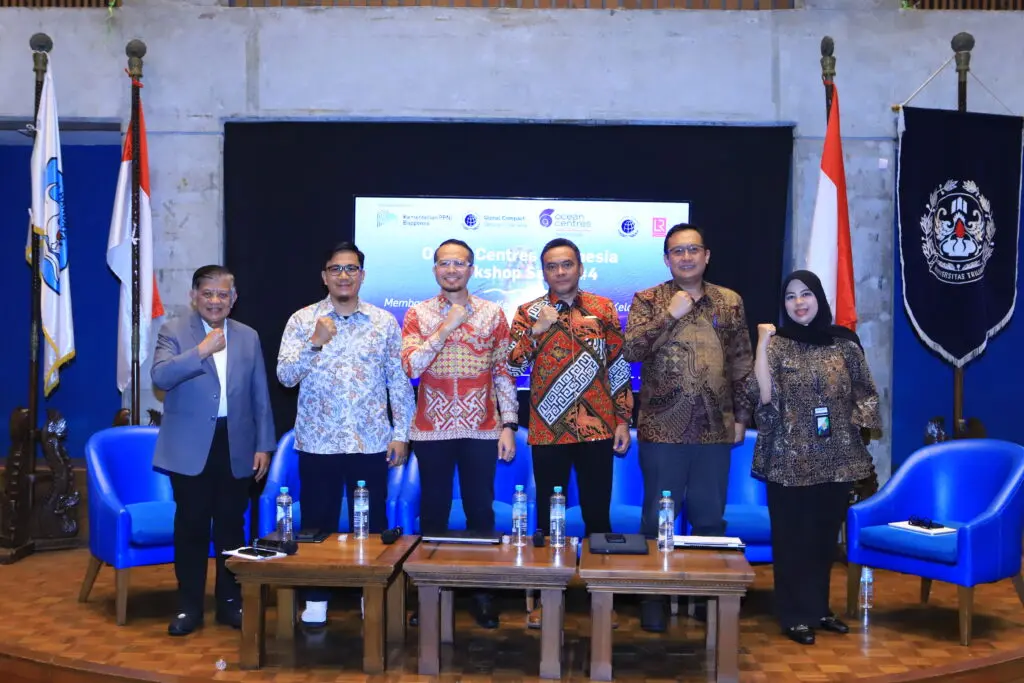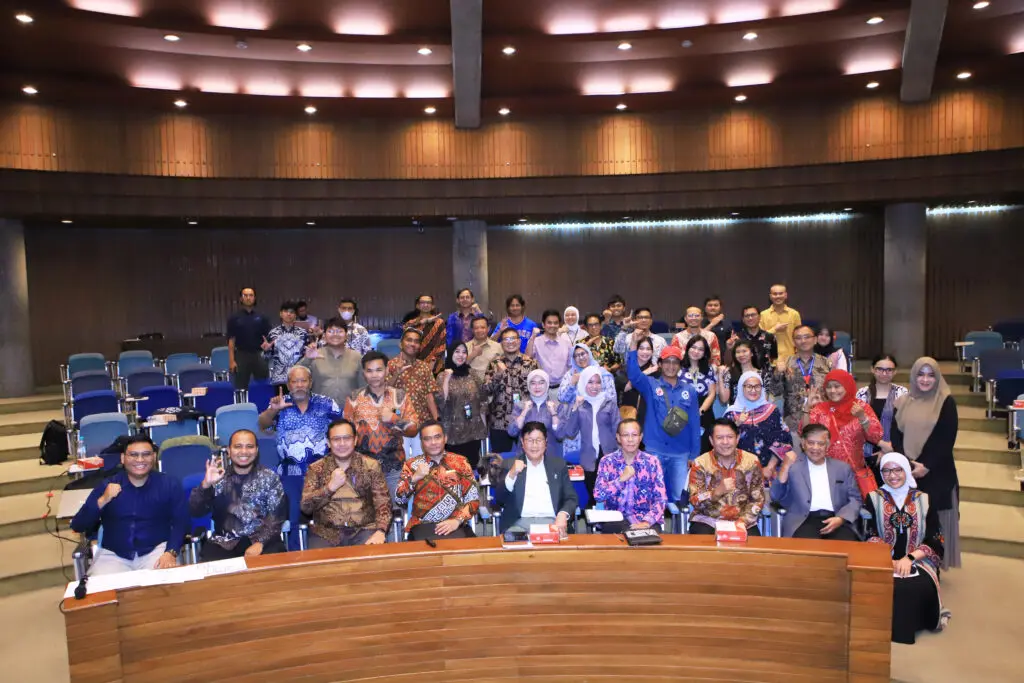
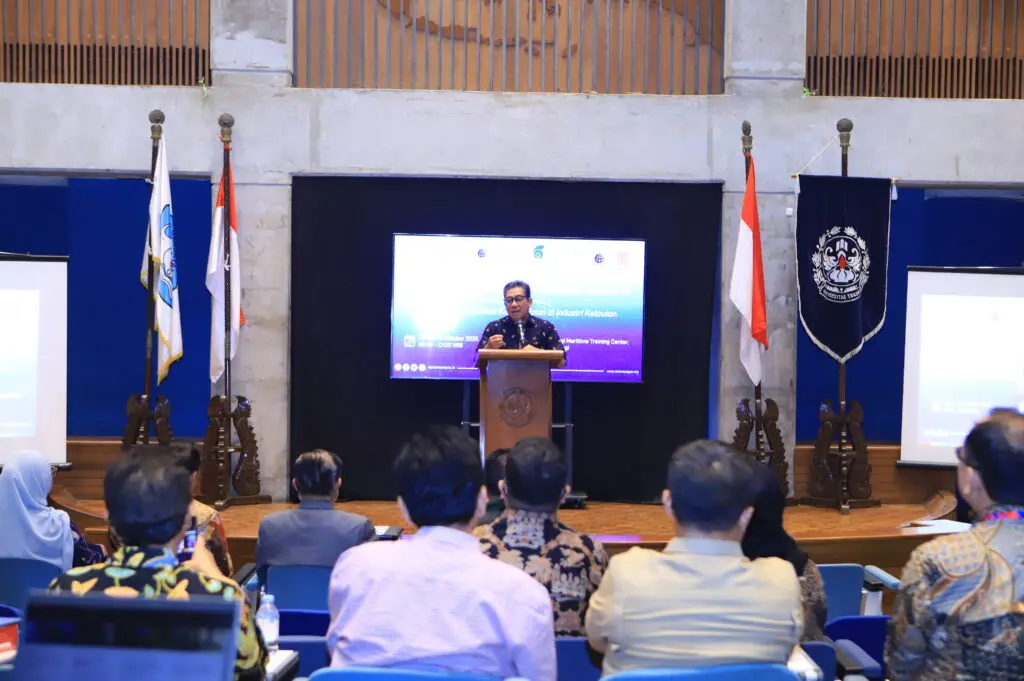
Jakarta, October 16, 2025 – Ocean Centres Indonesia held Workshop Series #4, themed “Building Safety Capacity in the Maritime Industry”, on Wednesday, October 16, at Universitas Trilogi.
The workshop brought together key leaders from government, academia, and industry. Opening remarks were delivered by the Rector of Universitas Trilogi, who warmly welcomed the initiative being held at the university. The opening session also included remarks from the President of UN Global Compact Network Indonesia (IGCN), the President Director of PT Humpuss Maritim Internasional Tbk, and a representative from Bappenas.
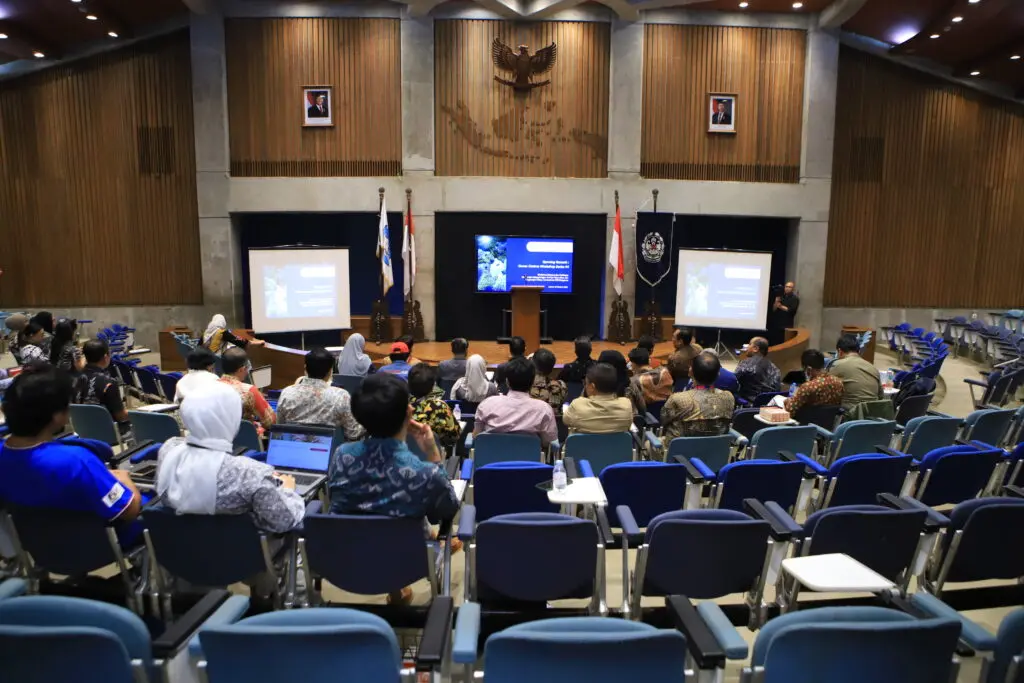
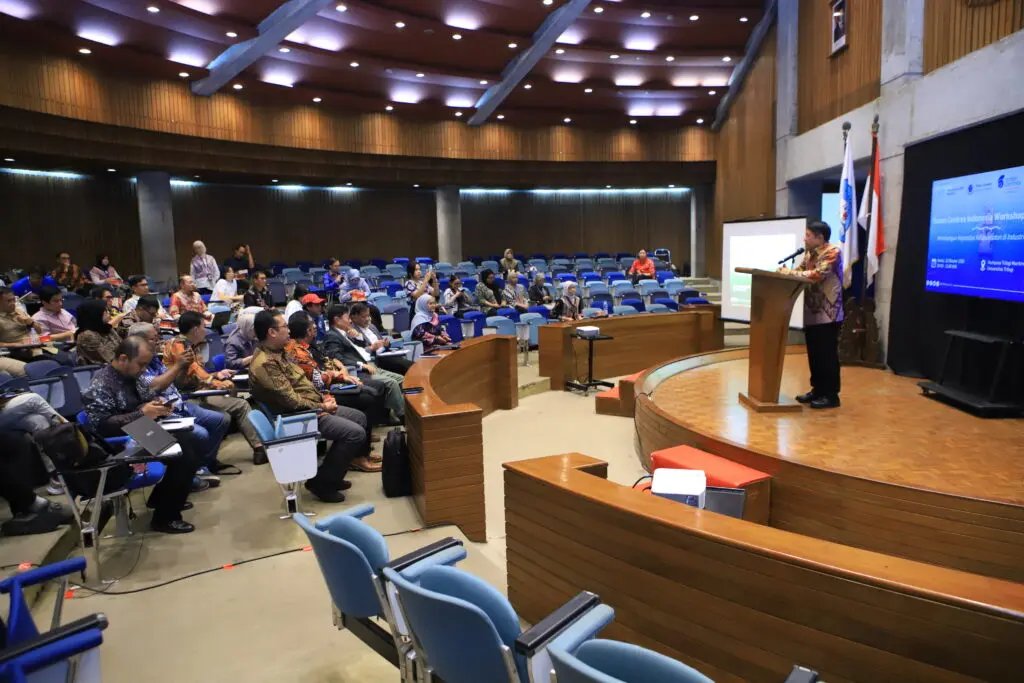
Technical discussions featured experts from PT Humpuss Maritim Internasional Tbk, PT Biro Klasifikasi Indonesia (BKI), and BPJS Ketenagakerjaan, who highlighted the importance of multi-stakeholder collaboration in strengthening maritime safety standards across Indonesia’s shipping industry.
The workshop’s key takeaways emphasized a holistic approach to safety, beginning with the need for qualified seafarers and robust vocational training. Experts addressed the critical and growing threat of cyber risks in LNG vessel operations, stressing the necessity of integrating cybersecurity into HSSE protocols. Further discussions centered on mitigating the high rate of human error through a strong safety culture, ensuring seaworthiness via BKI’s certification and classification processes, and providing comprehensive social security protection through BPJS Ketenagakerjaan for all maritime workers.
Prof. Dr. Pramono Hari Adi, M.S., Rector of Universitas Trilogi, expressed his institution’s strong support for the event, emphasizing its importance in advancing maritime safety and capacity building.
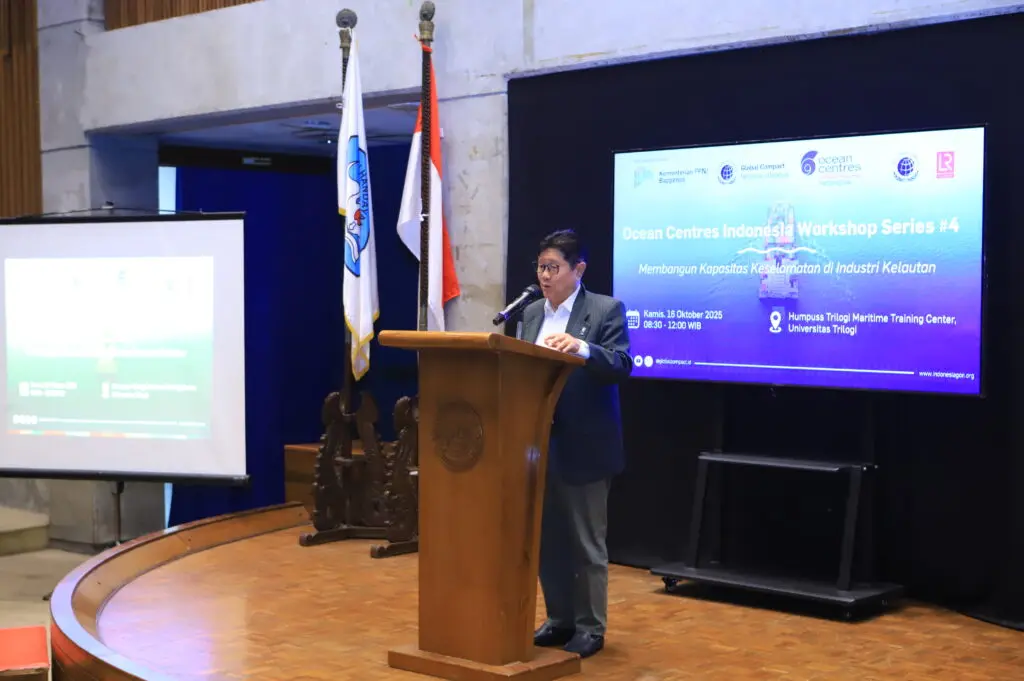
Y.W. Junardy, President of IGCN, inspired a shift in national perspective, suggesting, “Perhaps we must begin to think about changing our paradigm — not only ‘Swarna Dwipa’ (Island of Gold, referring to a land-centric view) but moving towards a ‘Swarna Samudra’ mindset (Golden Ocean/Sea).”
Aligning with this vision, Siti Maftukhah, S.T., M.Sc., M.URP, Coordinator of the Maritime Team at the Ministry of National Development Planning (Bappenas), expressed optimism about Indonesia’s maritime transformation. She stated that the Ministry believes this transition will lead to a more sustainable Blue Economy — one that focuses not only on increasing economic value but also on protecting people, nature, and long-term investments.
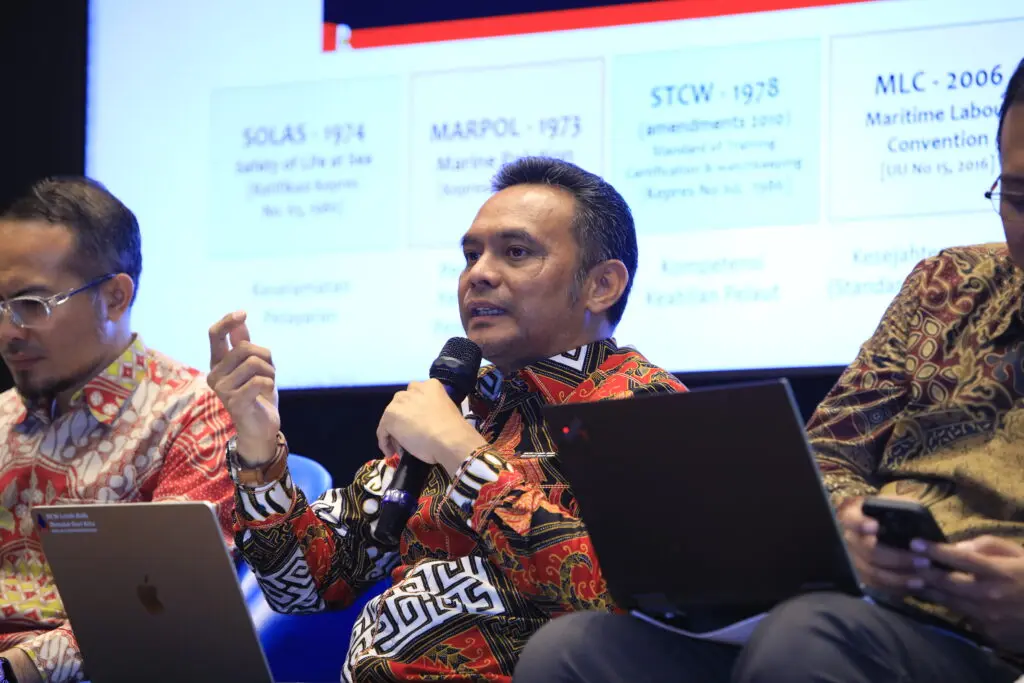
“Qualified seafarers are the backbone of maritime safety. With over 90 maritime training institutions in Indonesia, we must ensure that certification and continuous education truly equip our seafarers with practical skills and strong safety habits,” said Capt. Johan Novitrian of PT Humpuss Maritim International, emphasizing the importance of capacity building and human resource development in maritime safety.
Addressing the evolving risks of digitalization, Capt. Ricki, M.M. noted, “Automation brings efficiency but also opens doors to cyber threats—from GPS spoofing to ransomware. Cybersecurity must now be considered part of every HSSE plan, and every crew member must understand how their actions can prevent cyber incidents.”
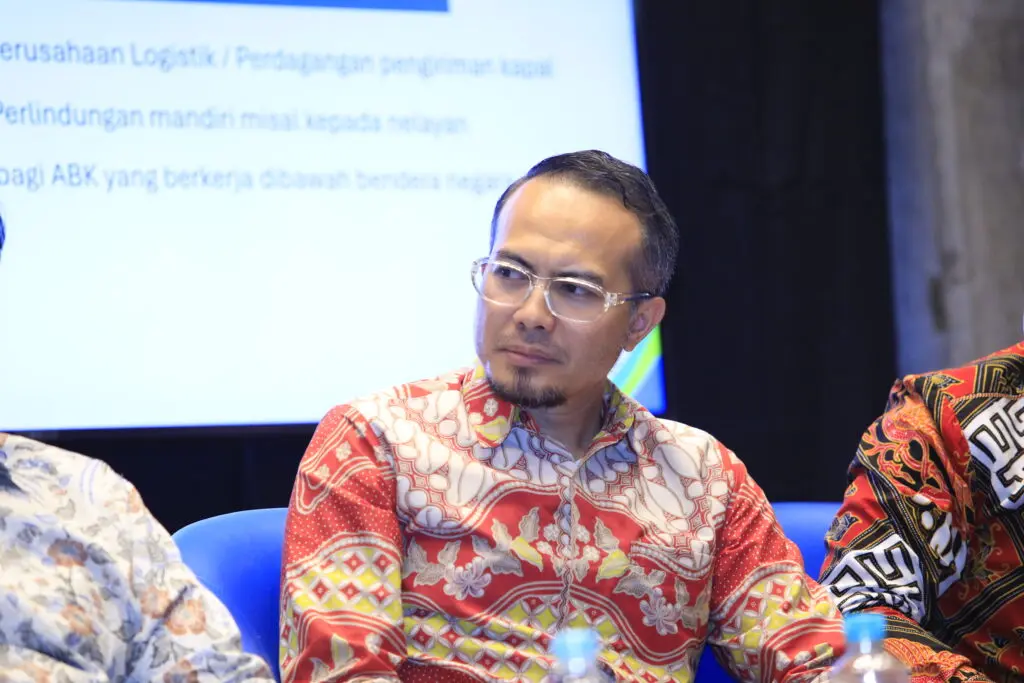
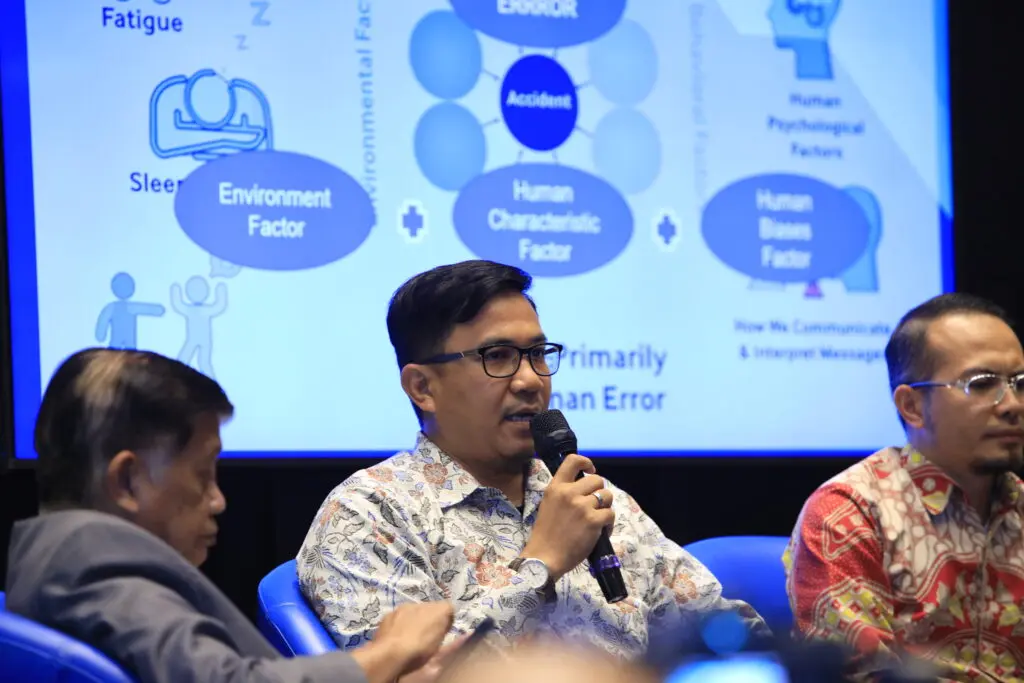
From an operational perspective, Capt. Wales H. Putra reminded participants that “more than 80% of ship accidents are caused by human error,” stressing the need for leadership commitment, open communication, and ongoing training. “Our safety culture on board is guided by one simple principle—stop and think more,” he added.
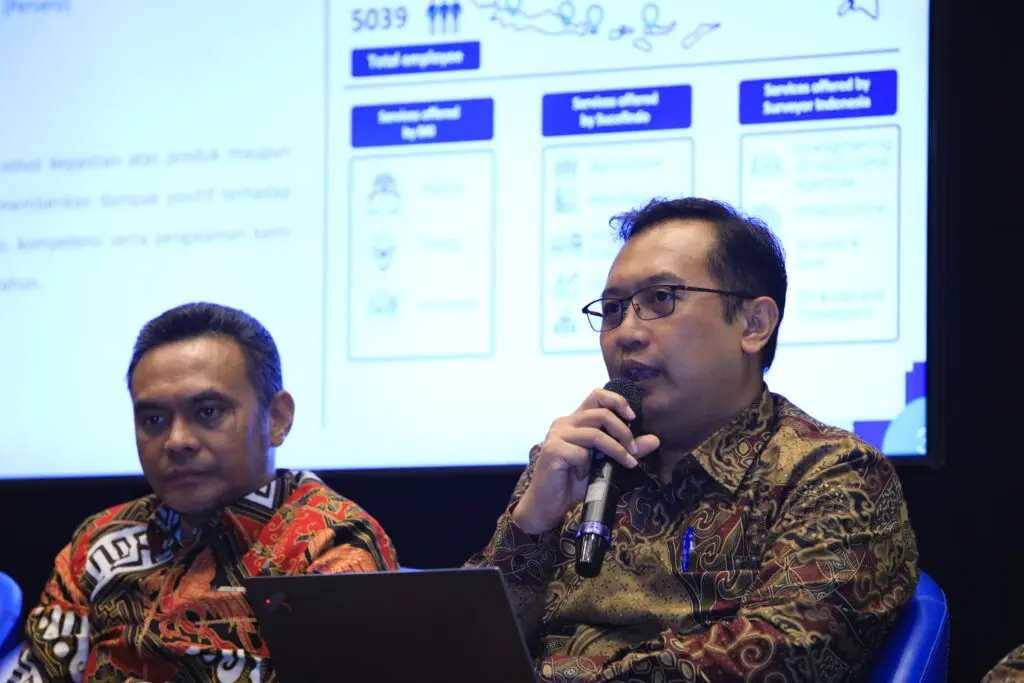
Meanwhile, Dr. Eng. Kartika Kus Hendratna, Head of SBU Marine at BKI, underscored the role of compliance in ensuring seaworthiness. “Every vessel must be safe by design, construction, and operation. Certification is not just paperwork—it’s a guarantee that the ship meets international standards for safety and sustainability,” she said.
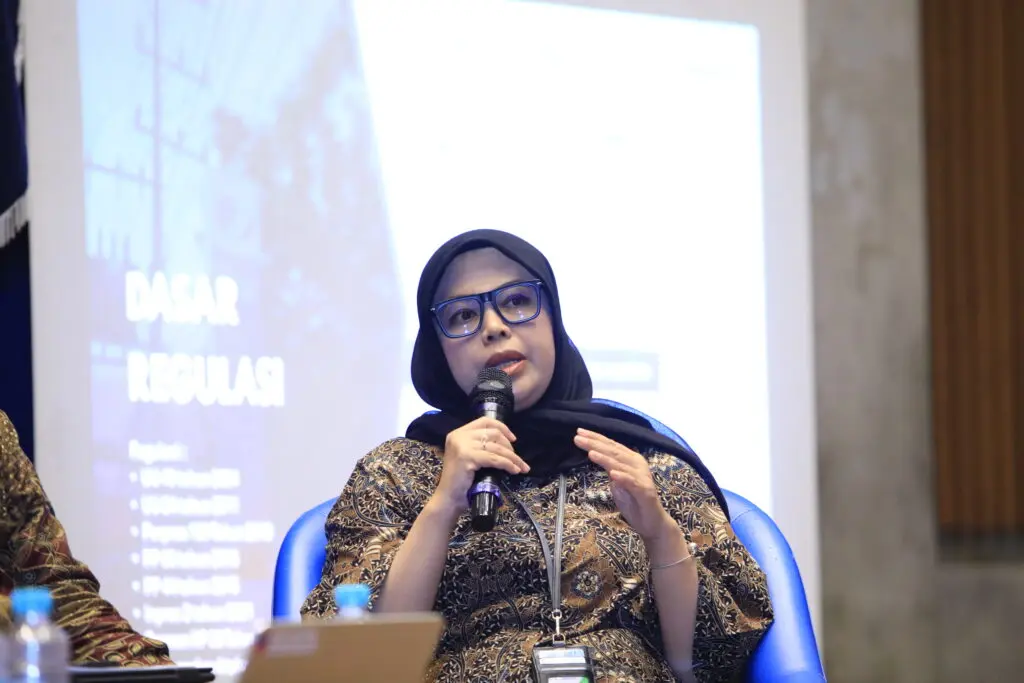
Representing the social protection aspect, Shinta Lystyowati from BPJS Ketenagakerjaan highlighted, “Maritime workers face high risks every day. Our mission is to make sure every worker—whether on land, at sea, or abroad—is covered by comprehensive social security protection.”
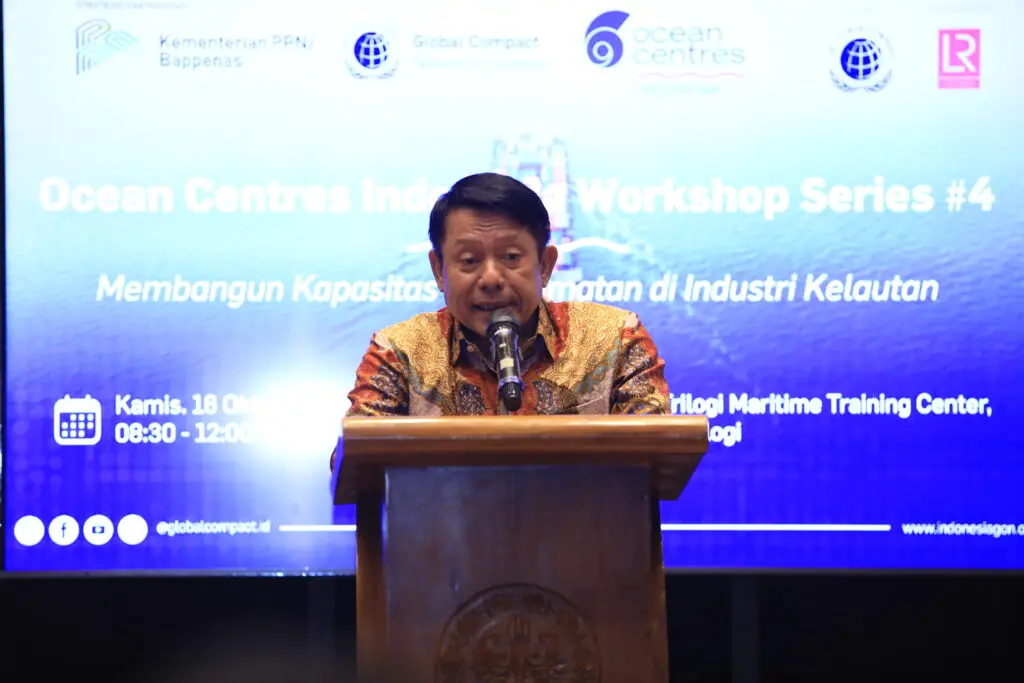
Finally, Dr. Tirta Hidayat, President Director of PT Humpuss Maritim Internasional Tbk, emphasized the spirit of collaborative learning, expressing hope that through this and upcoming workshops, participants will “gain lessons that we can implement together.”
This workshop forms part of the Ocean Centre Indonesia Workshop Series, a continuing initiative aimed at strengthening national capacity and multi-stakeholder collaboration in advancing maritime safety, sustainability, and resilience. Through each session, Ocean Centre Indonesia provides a dedicated platform for dialogue, knowledge exchange, and partnership-building among government institutions, industry leaders, academia, and civil society which contributes to safer and more sustainable seas for Indonesia and beyond.