Commemorating Three Historic Milestones: 80 Years of Indonesia, 80 Years of the United Nations, and 25 Years of the UN Global Compact
Jakarta, October 8, 2025 — The year 2025 marks a historic moment as three significant global and national milestones converge: the 80th anniversary of Indonesia’s independence, the 80th anniversary of the founding of the United Nations (UN), and the 25th anniversary of the launch of the United Nations Global Compact (UN Global Compact).
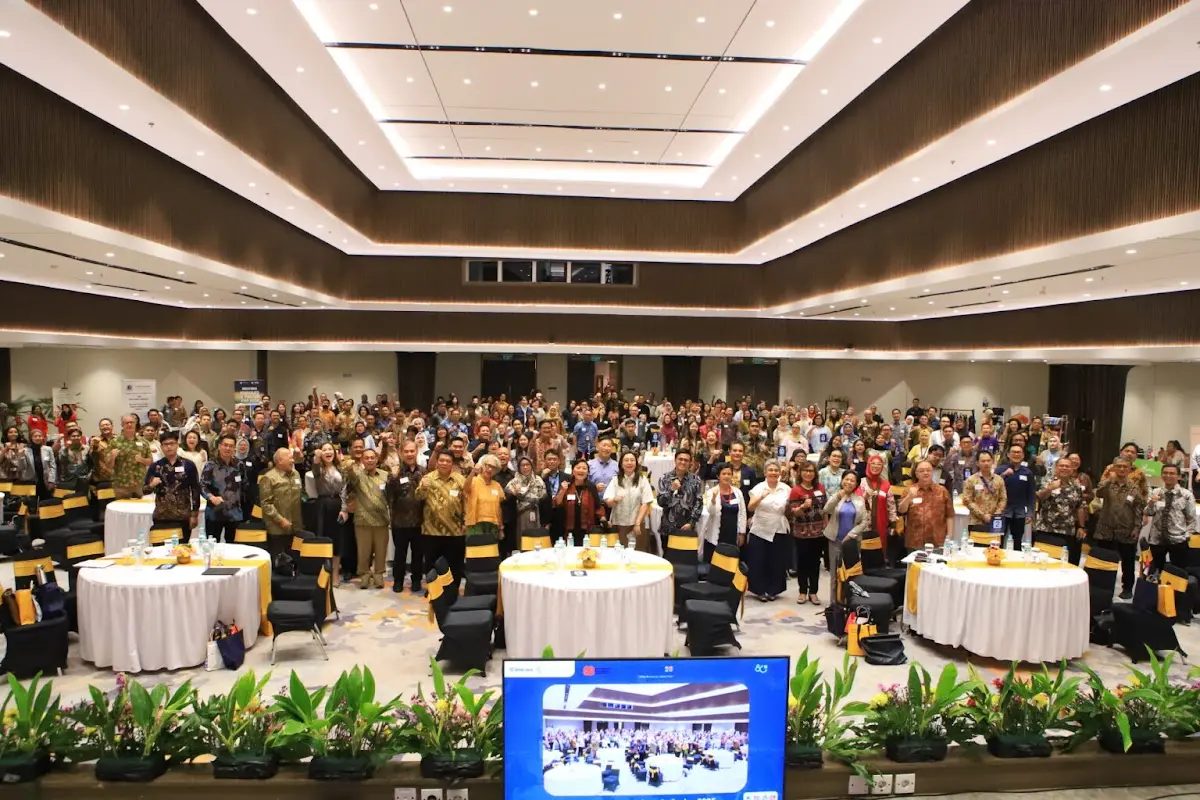
In the spirit of strengthening cross-sector collaboration for sustainable development, the UN Global Compact Network Indonesia (IGCN) held its Annual Members Gathering 2025, themed “Delivering Impact and Shaping the Future Together”, at the Yustinus Auditorium, Atma Jaya Catholic University of Indonesia, Jakarta.
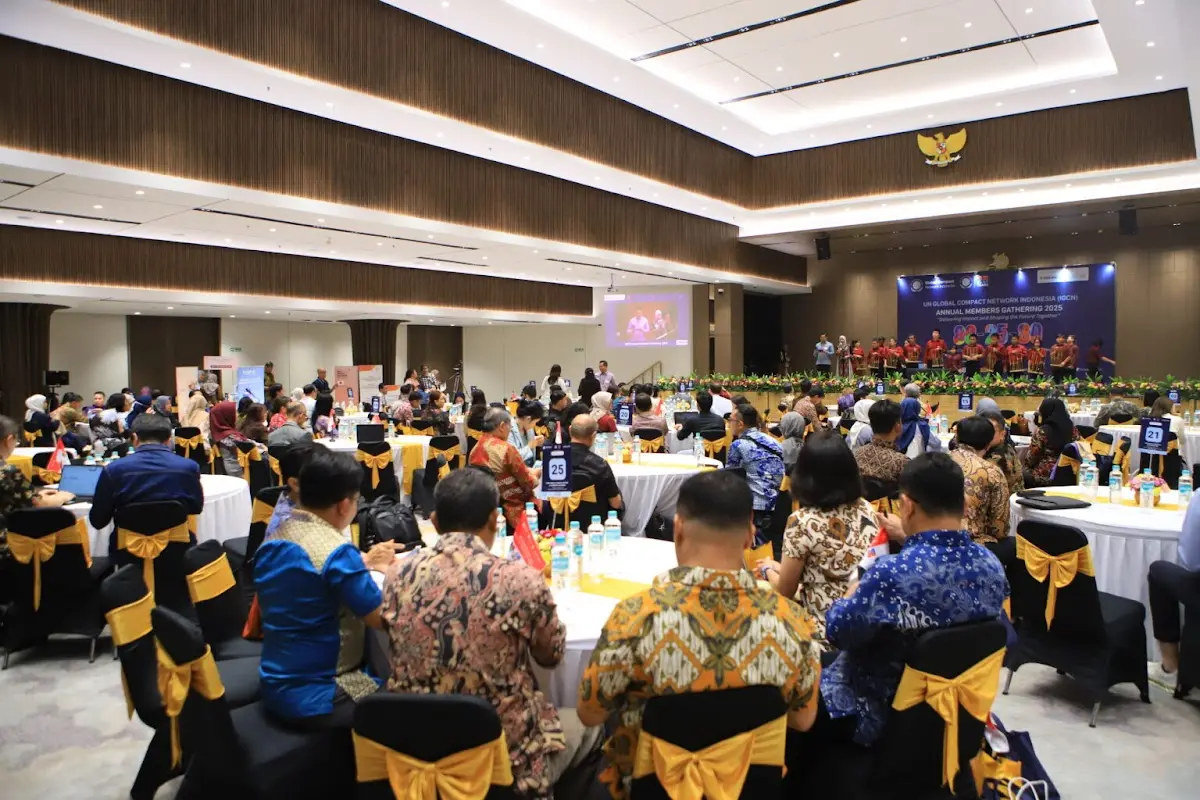
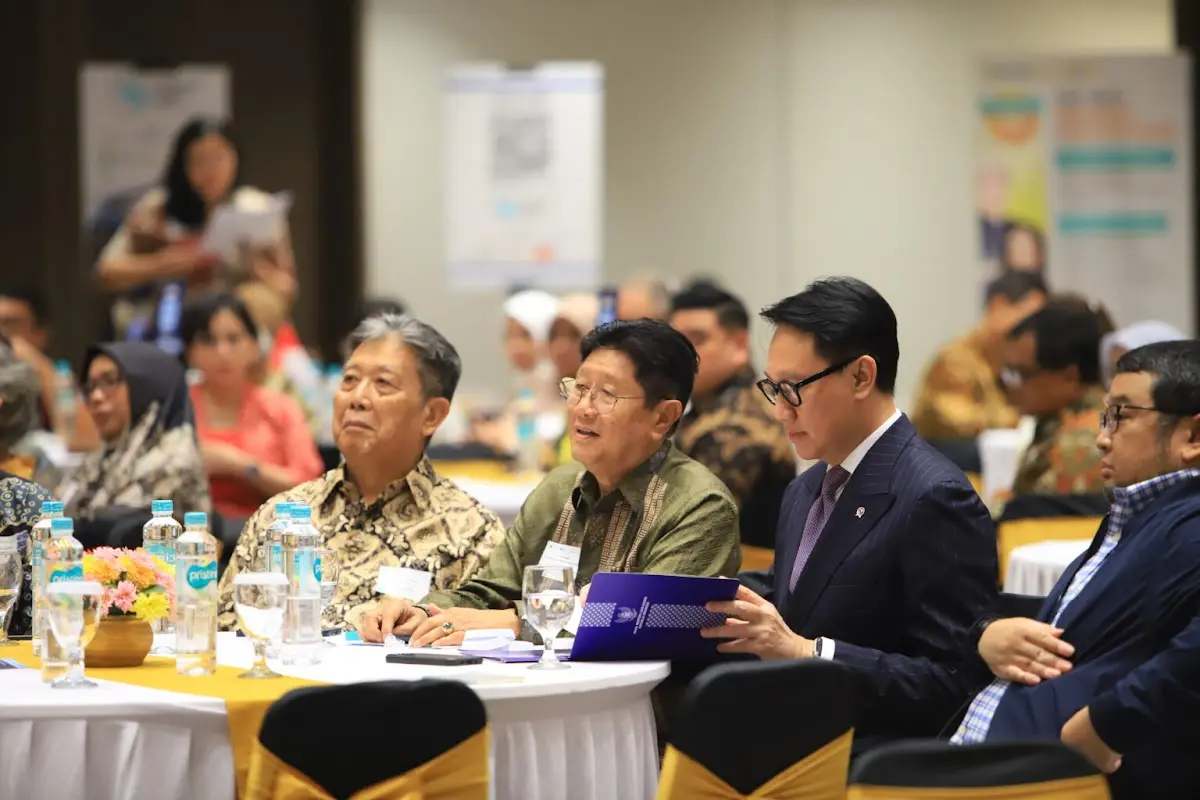
The event brought together business leaders, academics, civil society representatives, and development partners to reflect on shared achievements, reinforce their commitment to the Ten Principles of the UN Global Compact — encompassing Human Rights, Labor, Environment, and Anti-Corruption — and accelerate collective progress toward achieving the Sustainable Development Goals (SDGs).
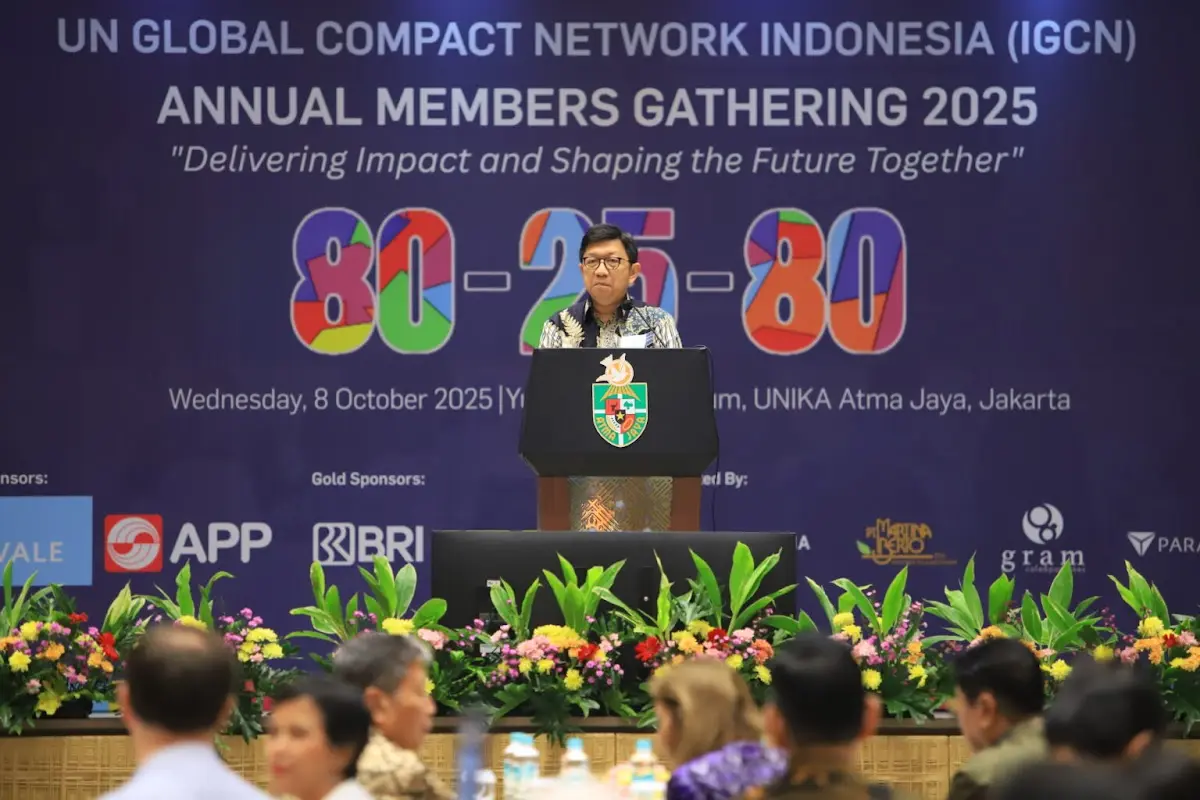
The gathering opened with remarks from Prof. Dr. Yuda Turana, Sp.S(K), Rector of Atma Jaya Catholic University and Member of IGCN’s Advisory Board, who highlighted the strategic role of academia in embedding sustainability values in education and society.
“As an educational institution, we believe that building a sustainable future begins with shaping the character and awareness of the younger generation toward the values of humanity, the environment, and integrity. Collaboration among academia, business, and society is key to ensuring that knowledge does not stop in the classroom, but is translated into real actions for sustainability.”
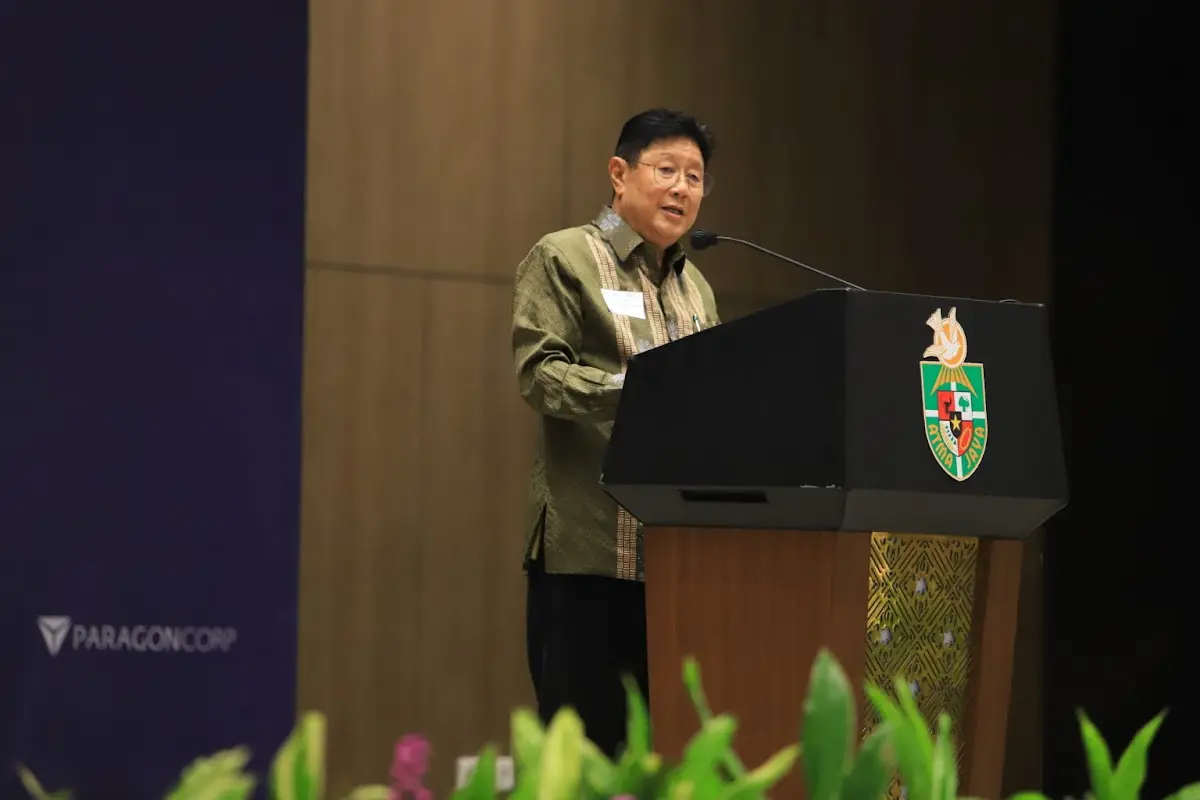
Y.W. Junardy, President of IGCN, in his address, emphasized that 2025 is a call to strengthen cross-sector partnerships and integrate human values into every aspect of business.
“The year 2025 is not just a marker of history — it is a call to move and act together. Business, government, and the UN each have an important role in shaping a sustainable and inclusive future. Through the UN Global Compact Network Indonesia, we invite companies to embed humanity, environmental awareness, and integrity in every step they take, so that businesses not only grow but also deliver real impact for people and the planet.”
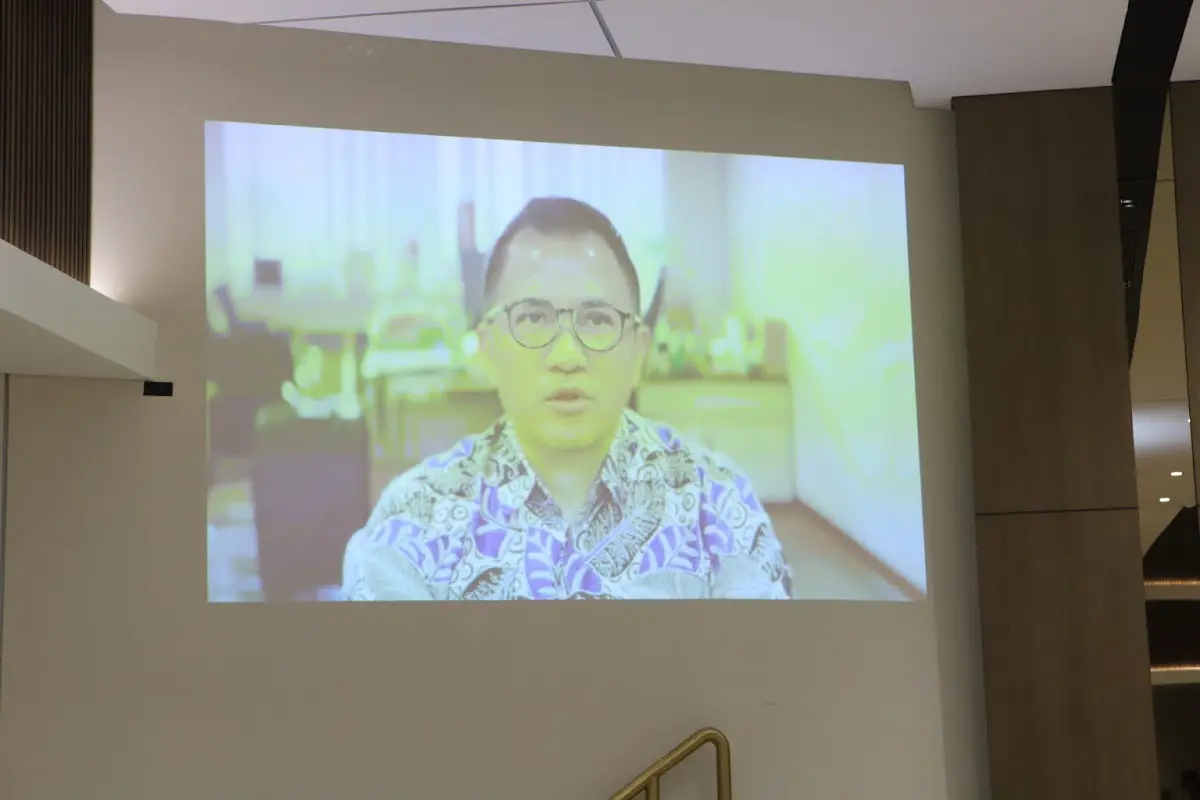
In his keynote address, Leonardo A. A. Teguh Sambodo, Deputy Minister for Food, Natural Resources, and Environment at the Ministry of National Development Planning (Bappenas), underscored that sustainability is the key to Indonesia’s future:
“Eighty years of Indonesia is both a moment of reflection and projection. Amid global challenges, we have chosen the path of sustainable development, with the SDGs as our compass and the green and circular economy as our engine. But both compass and engine mean little unless they are driven together — by government, business, and society. Our partnership with the UN Global Compact Network Indonesia proves that business success and national progress can reinforce each other. This is how we move toward Indonesia Emas 2045 — a future that is fairer, more inclusive, and sustainable for generations to come.”
Meanwhile, Gita Sabharwal, UN Resident Coordinator in Indonesia, stressed the importance of global solidarity and public–private partnerships.
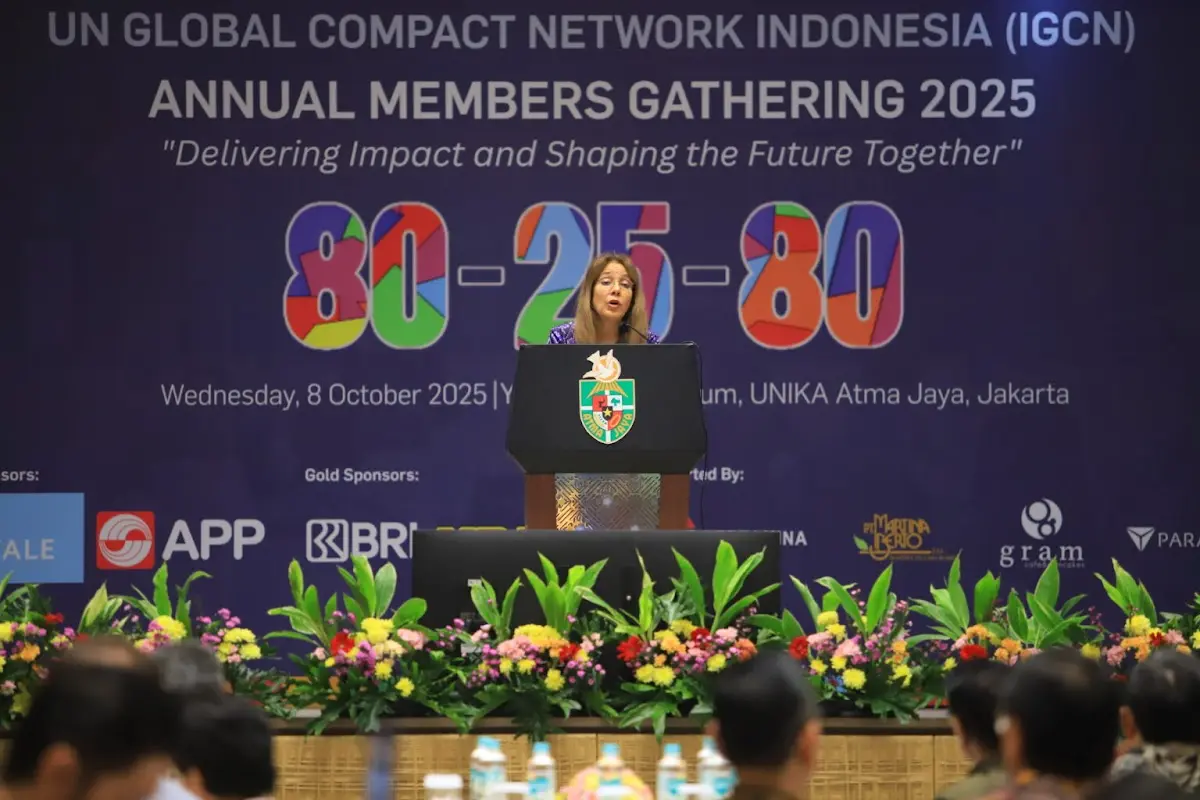
“The time for incremental change is over. Now is the time to act boldly and invest wisely to make sustainability a strategic advantage for Indonesia’s private sector and its people. The United Nations is committed to supporting IGCN through the mobilization of innovative financing, such as corporate SDG bonds, blue bonds, and green sukuk, ensuring that sustainable investments strengthen both national development and business performance.”

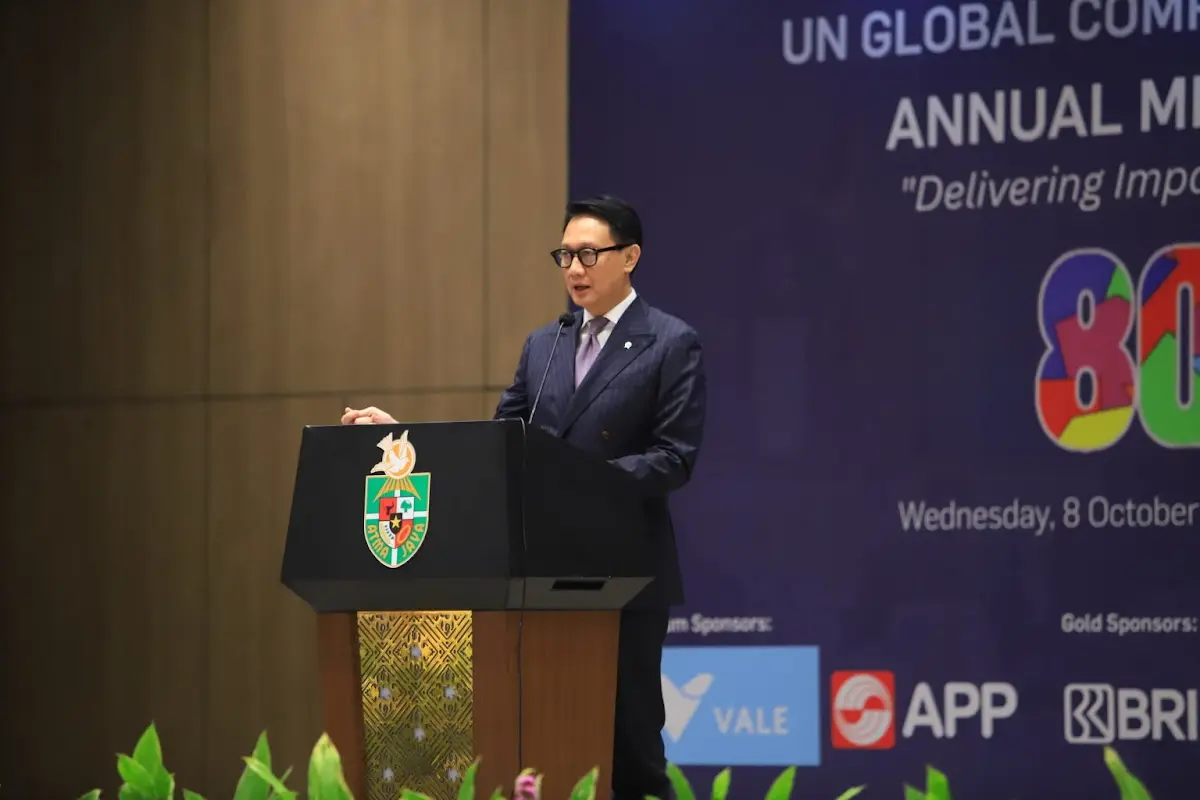
In his keynote remarks, Dr. Arif Havas Oegroseno, Deputy Minister for Foreign Affairs of the Republic of Indonesia, shared his perspective on the role of economic diplomacy and sustainable investment in enhancing Indonesia’s position on the global stage.
“When we talk about climate change, we cannot separate it from financing. This holds true across all global forums,” he stated, emphasizing the urgency of economic diplomacy in addressing climate change and sustainability.”
Indonesia, he continued, has conducted an assessment of its financial needs for climate change mitigation and its environmental impact. The total projected funding required amounts to US$28 billion, equivalent to IDR 3,500 trillion.
“How much can the state budget cover? About 15%. The rest? We need to seek alternative funding sources, including multilateral funds, private sector financing, loans, and donor contributions,” Havas explained.
“What Indonesia can do is lead by example — in financing and efficiency. Indonesia continues to engage creatively with various sectors to explore new opportunities for eco-financing,” he added.
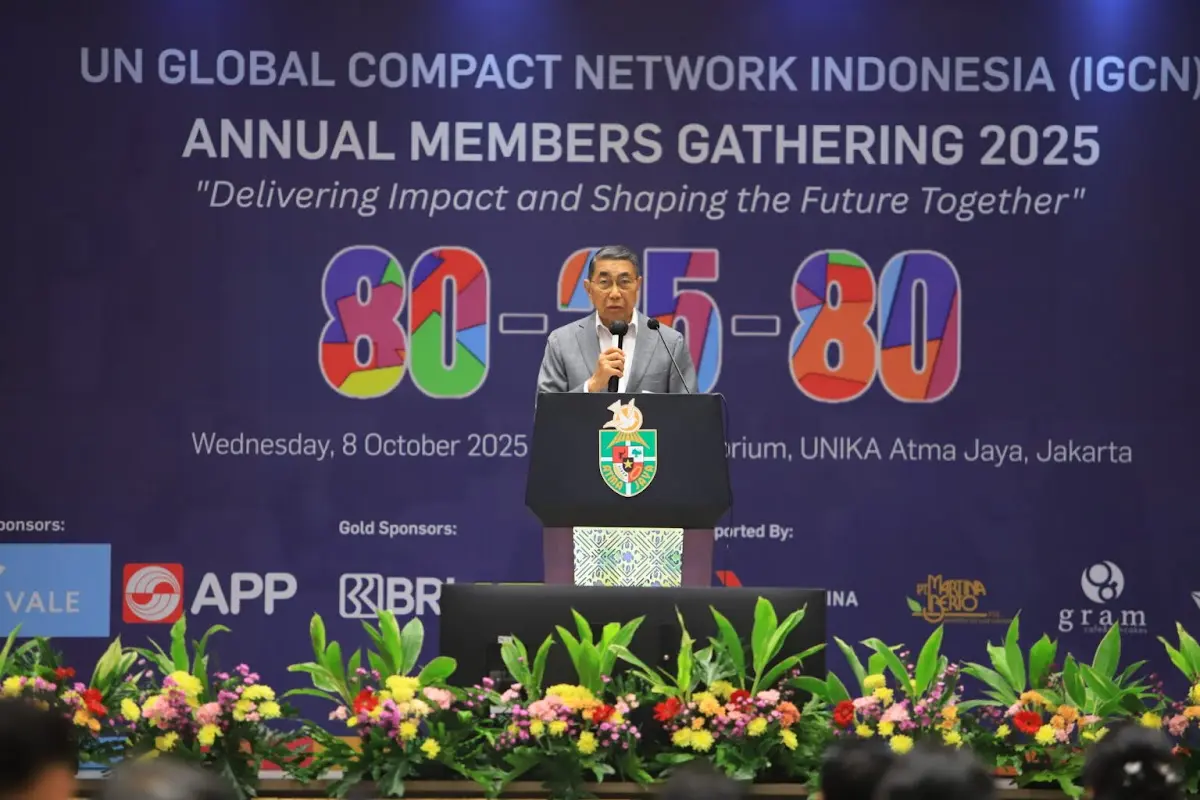
The event concluded with reflections from Noke Kiroyan, Member of IGCN’s Board of Supervisors and Chairman of Kiroyan Partners, who captured the essence of these three historical milestones:
“These three milestones remind us that true progress is not measured solely by economic growth, but by moral courage to build a future that is fair, inclusive, and sustainable. Since its inception, IGCN has stood for responsible business grounded in values. Today, we reaffirm that integrity, respect for human rights, and care for the environment are not optional — they are the very foundation of lasting prosperity.”
****
About the United Nations Global Compact
The UN Global Compact is the world’s largest corporate sustainability initiative, aiming to accelerate and scale the global collective impact of business in achieving the Sustainable Development Goals (SDGs) through the Ten Principles and a global ecosystem for change. With more than 20,000 companies and organizations participating across 80+ countries, the UN Global Compact serves as a leading catalyst for global sustainability.
About the UN Global Compact Network Indonesia (IGCN)
The UN Global Compact Network Indonesia (IGCN) is the local network of the UN Global Compact in Indonesia, supporting companies and organizations in implementing the Ten Principles and contributing to the Sustainable Development Goals (SDGs) through learning programs, practical tools, and strategic collaborations.